
Grant Grover, LCSW
Licensed in California 25 years in practice Sessions online
LCSW - Family and relationship focused
License and identifiers
- LCSW, California
- 25787 · expires March 2027
- LCSW, Idaho
- LCSW-36205 · expires March 2026
- NPI
- 1487766580 · national provider identifier
- Years in practice
- 25
- Languages
- English
Shown as Grant lists it on their public professional profile. You can check a license with the state board that issued it and an NPI with the national registry.
About Grant
Grant Grover is a Licensed Clinical Social Worker (LCSW) practicing in Idaho with 25 years of experience. He focuses on common life struggles such as stress, anxiety, depression, relationship difficulties, grief, addictions, and parenting challenges. He also addresses family-of-origin issues, attachment concerns, and intimacy-related problems.
Grant uses straightforward, practical methods in sessions. He leans on client-centered work and cognitive behavioral ideas to help people notice unhelpful thoughts and test new behaviors.
Background and approach
He also draws on Acceptance and Commitment Therapy and dialectical behavior techniques to teach skills for emotion regulation and values-based action. Many clients come to him wanting help with specific problems like compulsive behaviors, mood swings, or communication breakdowns. He works with people dealing with grief, career strain, caregiver stress, chronic illness, and codependency.
He also addresses religious concerns when those affect mental health, including spiritual struggle or religious preoccupation. Grant has experience across settings, including inpatient hospitalization and state mental health work. That background informs a practical, problem-focused style aimed at lasting change.
He says some people benefit from brief work and others from longer-term support depending on goals. Sessions include teaching coping skills, exploring family patterns from childhood that still show up now, and building concrete steps toward daily goals. People who want therapy that respectfully considers faith in the process can discuss how beliefs fit into treatment.
To begin, visitors are asked to use the site's matching button and schedule a first session after a short questionnaire.
Focus areas and approaches
Everything Grant lists on their public professional profile, including family of origin issues.
- Stress, Anxiety
- Relationship issues
- Grief
- Depression
- Coping with life changes
- Addictions
- Family conflicts
- Trauma and abuse
- Intimacy-related issues
- Parenting issues
- Anger management
- Self esteem
- Career difficulties
- Bipolar disorder
- Compassion fatigue
- Abandonment
- Aging and geriatric issues
- Attachment issues
- Avoidant personality
- Blended family issues
- Caregiver issues and stress
- Chronic pain, illness, and disability
- Co-morbidity
- Codependency
- Commitment issues
- Communication problems
- Control issues
- Coping with natural or human-caused disaster
- Dependent personality
- Dissociation
- Divorce and separation
- Domestic violence
- Drug and alcohol addiction
- Emptiness
- Family of origin issues
- Family problems
- Fatherhood issues
- Fertility issues
- Forgiveness
- Guilt and shame
- Hospice and end-of-life counseling
- Impulsivity
- Infidelity
- Intellectual disability
- Isolation / loneliness
- Jealousy
- Life purpose
- Men's issues
- Midlife crisis
- Money and financial issues
- Mood disorders
- Multicultural concerns
- Narcissism
- Panic disorder and panic attacks
- Paranoia
- Phobias
- Postpartum depression
- Post-traumatic stress
- Pregnancy and childbirth
- Prejudice and discrimination
- Process addiction (porn, exercise, gambling)
- Seasonal Affective Disorder (SAD)
- Self-love
- Sex addiction
- Sexuality
- Social anxiety and phobia
- Somatization
- Traumatic brain injury
- Women's issues
- Workplace issues
- Young adult issues
Approaches Grant names
- Acceptance and Commitment Therapy (ACT)
- Attachment-Based Therapy
- Client-Centered Therapy
- Cognitive Behavioral Therapy (CBT)
- Dialectical Behavior Therapy (DBT)
- Emotionally-Focused Therapy (EFT)
- Existential Therapy
- Gottman Method
- Mindfulness Therapy
- Motivational Interviewing
- Psychodynamic Therapy
- Solution-Focused Therapy
- Trauma-Focused Therapy
- Internal Family Systems
Naming an approach is not evidence of training in it. This directory copies what each therapist lists and does not check training records.
How sessions work online
How his approaches translate to online sessions
Grant draws on Acceptance and Commitment Therapy and Attachment-Based Therapy in online work. ACT focuses on noticing thoughts and choosing actions that match personal values; it can help with anxiety, depression, and getting unstuck. Attachment-Based Therapy looks at how early family relationships influence current patterns and helps people identify and change those repeating dynamics. He treats the choice of approach as collaborative. In early sessions he will help clarify problems, goals, and preferences and together decide which methods to emphasize. That collaborative planning guides whether sessions focus more on skills practice, values work, or understanding family-origin patterns. Confirm the exact session formats before booking since specific formats were not listed in the biography. Online therapy can make it easier to fit sessions into a busy life. It can allow shorter check-ins when time is limited, avoid travel time, and help people meet during a lunch break or between errands. Therapists typically adapt exercises and skill practice for the online setting so work continues between appointments.We will earn a commission if you sign up through our link, at no cost to you. It does not change what you pay or the order of the listings.
Questions about Grant
What concerns does he focus on?
He works with stress, anxiety, depression, grief, addictions, relationship and parenting issues, and related family-of-origin concerns.
How would you describe his therapeutic style?
He uses a practical, skills-oriented approach that combines client-centered work with cognitive behavioral ideas, ACT, and DBT techniques.
How much clinical experience does he have?
He has 25 years of experience, including work in state mental health settings and inpatient hospitalization.
What are his credentials and where is he based?
He is a Licensed Clinical Social Worker (LCSW) with credentials in California (CA LCSW) and Idaho (ID LCSW), practicing from Idaho.
Can people who speak other languages work with him?
Sessions are offered in English.
Does he work with international clients?
He accepts international clients; confirm any logistics or time zone details when booking.
How are sessions paid for?
Cost varies with location and sessions use a subscription that can be canceled at any time.
What steps start the process?
Use the See online therapy options button, complete a short matching questionnaire, and schedule a first session.
More therapists in Idaho
See all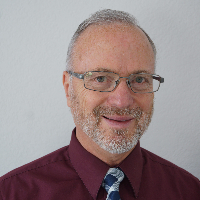
David Martin
LCSW
LCSW - Family of origin and relationship concerns
- Stress, Anxiety
- Trauma and abuse
- Grief

Dr. Claudia Coker
LPC
Dr. Claudia Coker - LPC, stress and family patterns
- Stress, Anxiety
- Grief
- Coping with life changes

Breonna Krafft
LPC
Licensed Professional Counselor - family of origin and relationships
- Stress, Anxiety
- LGBT
- Relationship

Travis Walker
LPC
Licensed Professional Counselor - Family patterns and mood concerns
- Stress, Anxiety
- Addictions
- Relationship
Surnames under G · everyone in the directory whose surname starts with G
Is this your profile?
Ask us to correct a detail or take the page down.
Contact us