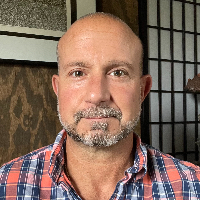
Timothy Welch, LPCC
Licensed in Ohio 22 years in practice Sessions online
Ohio LPCC - Family and addiction concerns
License and identifiers
- LPCC, Ohio
- E.0004200-SUPV · expires March 2028
- NPI
- 1437242310 · national provider identifier
- Years in practice
- 22
- Languages
- English
Shown as Timothy lists it on their public professional profile. You can check a license with the state board that issued it and an NPI with the national registry.
About Timothy
Timothy Welch is an Ohio Licensed Professional Clinical Counselor (LPCC) with 22 years of experience helping people address stress, anxiety, addiction, depression, and family-related concerns. He works with adults on practical problems like coping with life changes, relationship strain, grief, and managing bipolar or ADHD symptoms. He also offers coaching supports outside of clinical sessions.
Timothy frames therapy as a collaborative process. He asks about a person's goals and uses clear, practical steps to work toward them.
Background and approach
Sessions often focus on understanding current patterns that come from earlier family roles and expectations and how those patterns affect present choices. His background includes work in independent practice, community mental health, crisis intervention, and addiction rehabilitation. He has experience with group work such as anger management and recovery groups, and has supported people in shelters and hospice settings.
This range informs a straightforward, skills-focused approach. Timothy uses a mix of therapeutic methods to match the problem at hand. He draws on client-centered listening alongside interventions from cognitive behavioral therapy and emotion-focused work to address thoughts, feelings, and relationship patterns.
Dialectical ideas also inform skills for managing intense emotions. Outside of clinical counseling he provides life and sober coaching through a separate platform and maintains resources like a support app and books he has authored. He notes insurance options may be usable for residents of certain states and will discuss how sessions and coaching might fit practical needs.
People who want clear steps, tools, and a collaborative plan often find this approach useful. Prospective clients should confirm current session options and any coaching services before scheduling.
Focus areas and approaches
Everything Timothy lists on their public professional profile, including family of origin issues.
- Stress, Anxiety
- Addictions
- Self esteem
- Depression
- Coping with life changes
- LGBT
- Relationship issues
- Family conflicts
- Trauma and abuse
- Grief
- Intimacy-related issues
- Eating disorders
- Sleeping disorders
- Parenting issues
- Anger management
- Career difficulties
- Bipolar disorder
- Coaching
- Compassion fatigue
- ADHD
- Abandonment
- Adoption and foster care
- Antisocial personality
- Attachment issues
- Autism and Asperger Syndrome
- Avoidant personality
- Blended family issues
- Body image
- Caregiver issues and stress
- Chronic pain, illness, and disability
- Co-morbidity
- Codependency
- Commitment issues
- Communication problems
- Control issues
- Coping with natural or human-caused disaster
- Dependent personality
- Disruptive Mood Dysregulation Disorder (DMDD)
- Divorce and separation
- Drug and alcohol addiction
- Eating and food-related issues
- Emptiness
- Family of origin issues
- Family problems
- Fatherhood issues
- Fertility issues
- First responder issues
- Forgiveness
- Guilt and shame
- Impulsivity
- Isolation / loneliness
- Jealousy
- Life purpose
- Men's issues
- Midlife crisis
- Veteran and Armed Forces Issues
- Mood disorders
- Multicultural concerns
- Narcissism
- Obsessions, compulsions, and OCD
- Panic disorder and panic attacks
- Personality disorders
- Phobias
- Postpartum depression
- Post-traumatic stress
- Prejudice and discrimination
- Process addiction (porn, exercise, gambling)
- Seasonal Affective Disorder (SAD)
- Self-harm
- Self-love
- Smoking / vaping cessation
- Social anxiety and phobia
- Somatization
- Workplace issues
Approaches Timothy names
- Client-Centered Therapy
- Cognitive Behavioral Therapy (CBT)
- Dialectical Behavior Therapy (DBT)
- Emotionally-Focused Therapy (EFT)
- Existential Therapy
- Eye Movement Desensitization and Reprocessing (EMDR)
- Mindfulness Therapy
- Motivational Interviewing
- Narrative Therapy
- Solution-Focused Therapy
- Somatic Therapy
- Trauma-Focused Therapy
Naming an approach is not evidence of training in it. This directory copies what each therapist lists and does not check training records.
How sessions work online
Therapeutic approaches used in online sessions
Client-centered therapy emphasizes listening and working from the client's own goals, helping people feel heard and involved in decisions about their care. It is useful for sorting out issues that stem from family roles and expectations.Cognitive behavioral therapy (CBT) focuses on identifying and changing unhelpful thoughts and behaviors. CBT can help with anxiety, depression, sleeping and eating problems, and patterns that repeat from early family experiences.
Dialectical behavior therapy (DBT) brings concrete skills for emotion regulation, distress tolerance, and improving communication. These skills can be helpful when emotions feel overwhelming or when relationship interactions escalate.
Choosing the right approach is part of the work together. The therapist will discuss a client's needs, goals, and preferences and adjust methods as those conversations clarify what helps most. This is a collaborative process rather than a one-size-fits-all prescription.
Session formats are not detailed in the biography, so confirm current options before booking. Online work can make it easier to fit sessions around work, caregiving, or travel, allow shorter check-ins when needed, or remove the need to travel to an office. Licensed professionals can adapt pacing, skills practice, and homework to suit a client's daily routine and practical constraints.
We will earn a commission if you sign up through our link, at no cost to you. It does not change what you pay or the order of the listings.
Questions about Timothy
What kinds of concerns does he address?
He works with stress, anxiety, addictions, depression, grief, and relationship and family issues among other areas listed in his profile.
How would he describe his therapeutic style?
He takes a collaborative, practical approach that combines listening with skills and strategies to address thoughts, feelings, and behaviors.
How much clinical experience does he have?
He has 22 years of clinical experience across independent practice, community mental health, crisis intervention, and addiction rehabilitation settings.
What are his credentials and where does he practice?
He is an Ohio LPCC (Licensed Professional Clinical Counselor) and lists practice activity in Ohio.
Can sessions be conducted in languages other than English?
Sessions are offered in English.
Does he work with international clients?
He accepts international clients, as noted in his profile.
How are sessions paid for and what does pricing look like?
Cost varies with location and sessions use a subscription model that can be canceled at any time; exact fees depend on the chosen plan.
How do I begin working with him?
Select the See online therapy options button, complete a short matching questionnaire, and schedule a first session.
More therapists in Ohio
See all
Rev. Tecky Rusk
LPCC
LPCC in Ohio - Family of origin and mood concerns
- Stress, Anxiety
- Relationship
- Trauma and abuse
Isabel Sanchez Cummings
LISW
LISW in Ohio - family pattern and coping support
- Stress, Anxiety
- Grief
- Self esteem

Stephanie Birnbaum
LPCC
Ohio LPCC - Family origin and life transitions
- Stress, Anxiety
- Self esteem
- Depression

Surnames under W · everyone in the directory whose surname starts with W
Is this your profile?
Ask us to correct a detail or take the page down.
Contact us